In 2026, cinematic AI video generation has redefined visual content creation. Scroll through social media, brand campaigns, and short film platforms, and you will notice a clear trend: modern AI-generated cinematic footage delivers cleaner frames, more immersive lighting, and more consistent film-style visuals than most traditionally edited videos. For years, creators believed professional cinematic results relied solely on high-end cameras, expensive lighting setups, and hours of manual post-production. Today, advancedAI cinematic video tools are outperforming traditional editing workflows in visual quality, consistency, and artistic precision. This guide breaks down why AI videos achieve superior cinematic effects, how they surpass traditional editing limitations, and why this shift dominates video creation trends in 2026.
1. The Hidden Flaws of Traditional Edited Footage
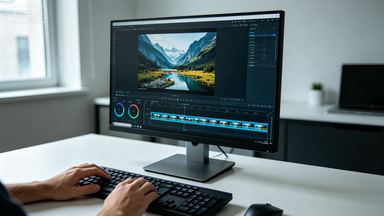
Traditional video editing relies on raw camera footage captured in real environments, then refined through manual cutting, color grading, and retouching. While this workflow is classic, it comes with inherent limitations that are hard to eliminate, even for professional editors. These flaws are the key reason traditional videos often fail to reach true cinematic standards.
First, raw footage always carries uncontrollable environmental imperfections. Uneven natural lighting, inconsistent background tones, accidental frame noise, and unstable camera shakes are common issues. Editors spend hours fixing these defects, yet many subtle visual inconsistencies remain. Second, traditional editing is limited by captured content. Editors can only adjust existing footage, unable to reconstruct missing light layers, optimize depth of field, or reshape scene textures freely. Third, manual color grading relies heavily on personal experience, leading to inconsistent tone across multiple shots and breaking unified cinematic storytelling.
These long-standing pain points have created a quality ceiling for traditional video production—one that modern AI cinematic video generation easily breaks through.
2. Core Reasons AI Videos Achieve Better Cinematic Quality in 2026
Top 2026 AI video models are professionally trained on massive datasets of Hollywood films, commercial blockbusters, and high-end cinematic footage. Unlike traditional editing’s “fix and adjust” logic, AI generates videos based on standardized film principles, covering lighting physics, camera language, color grading rules, and scene dynamics. This fundamental difference makes AI-generated cinematic videos naturally more professional and immersive.
2.1 Precise and Unified Cinematic Lighting Simulation
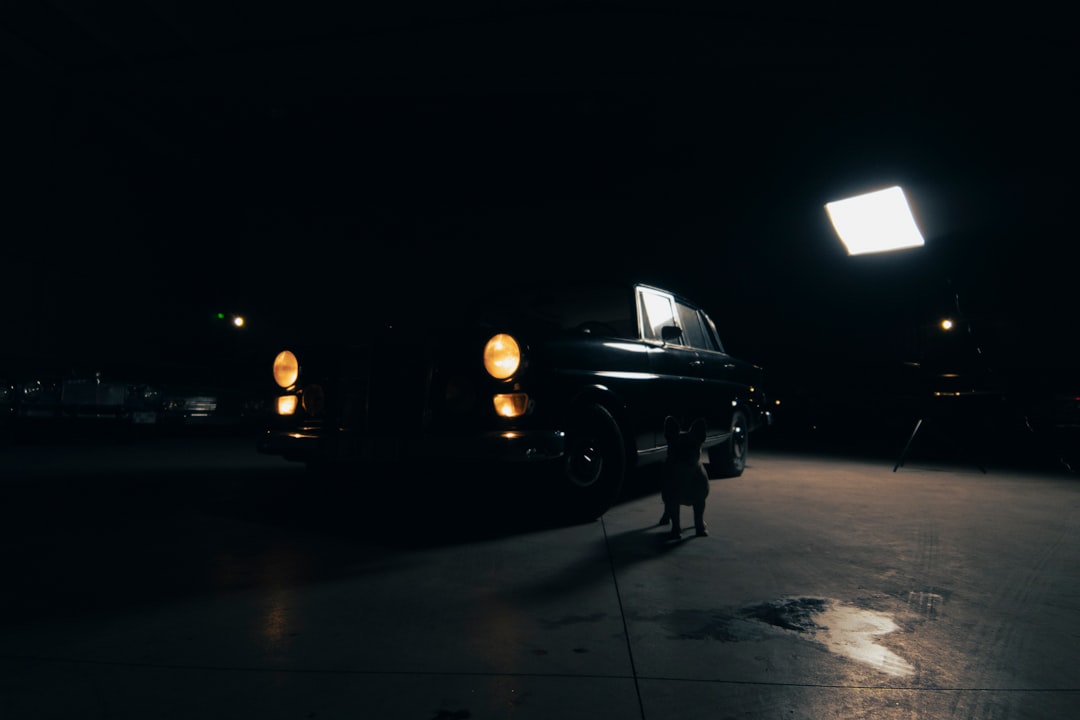
Lighting is the soul of cinematic visuals, and it is the biggest advantage of modern AI cinematic video tools. Traditional shooting struggles with continuous light consistency; changing weather, shooting angles, and time gaps easily cause light deviation between frames. New-generation AI models master professional volumetric lighting, soft shadow rendering, and ambient occlusion technology. They maintain unified light logic throughout the video, delivering stable film-grade light layers that traditional manual editing can hardly replicate.
2.2 Standardized Pro Camera Movement and Depth Control
True cinematic footage requires standardized lens language, including smooth dolly shots, precise zoom control, natural depth of field blur, and reasonable perspective changes. Traditional handheld or tripod shooting inevitably has slight jitters and rigid lens transitions. AI video generation intelligently simulates professional camera movement rules, eliminates frame jitter and messy transitions, and creates natural layered depth. Every frame presents the dimensional sense of professional film production, perfectly solving the flat visual problem of traditional edited videos.
2.3 Intelligent Color Grading for Consistent Film Tones
Cinematic style depends on unified color grading, which is the most time-consuming part of traditional post-production. Different shooting batches lead to inconsistent original tones, requiring editors to adjust frame by frame. 2026 AI video models integrate mature film color grading algorithms, supporting one-click restoration of classic cinematic tones—including low-saturation texture tones, high-contrast blockbuster styles, and warm soft commercial tones. The entire video maintains unified hue, contrast, and saturation, achieving a high-level cinematic texture effortlessly.
2.4 Zero-Distortion Dynamic Scene Consistency
Many traditional edited videos have incoherent dynamic logic, such as unnatural object movement and inconsistent scene details after splicing. Advanced AI video technology learns real-world physical rules, ensuring stable object dynamics, coherent scene logic, and no frame distortion or detail flickering. Compared with traditional edited footage with splicing traces, AI-generated videos deliver smoother and more natural cinematic dynamic effects.
3. AI Video vs Traditional Editing: Intuitive Cinematic Quality Comparison
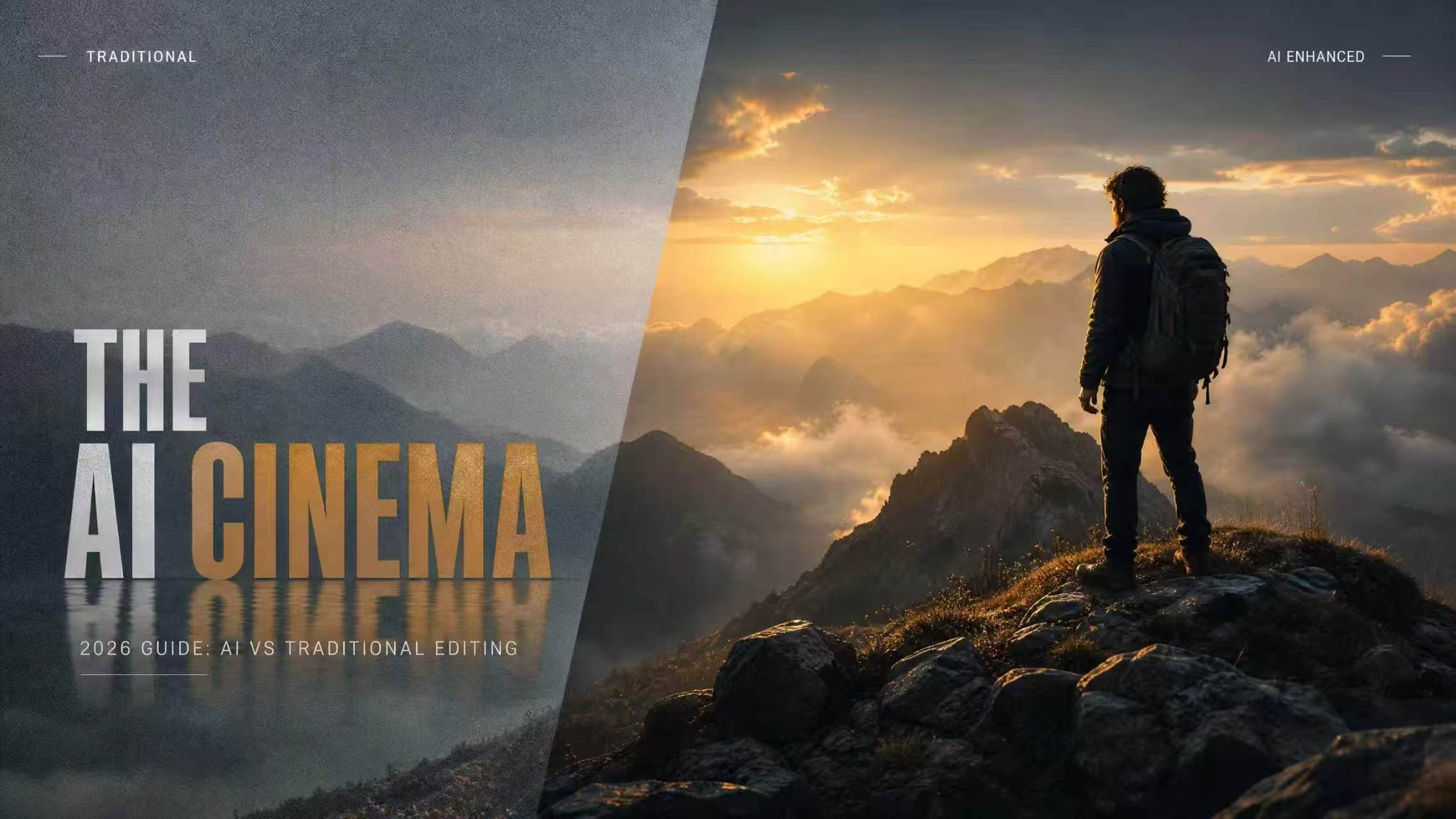
To clarify the gap between the two creation methods, we compared core cinematic indicators in actual production scenarios. In terms of light consistency, lens smoothness, tone unity, and scene stability,AI cinematic video generation shows obvious advantages. Traditional editing requires massive time and labor costs to polish details, while AI outputs standard cinematic footage in minutes, with lower error rates and more stable presentation effects.
For independent creators, small studios, and brand marketing teams, this means no need for professional shooting equipment, senior colorists, or lengthy post-production cycles. Reliable AI video generation tools can directly output commercial and film-grade cinematic videos, greatly lowering the threshold of high-quality visual creation.
4. Why This AI Cinematic Trend Dominates 2026 Content Creation
In 2026, content competition focuses more on visual texture. High-quality cinematic videos gain higher user engagement, better brand trust, and more platform traffic preferences. Traditional video production can no longer meet the fast iteration and high-quality demands of commercial creation. AI cinematic creation perfectly balances efficiency and quality, enabling creators to complete high-standard film-style video production in a short time.
From brand advertising videos and short film works to social media premium content, AI-generated cinematic footage has become the mainstream choice for professional creators. It not only solves the quality bottleneck of traditional edited videos but also opens up new creative possibilities for visual content production.
5. Final Thoughts
Traditional video editing is limited by shooting conditions and manual operation, making it difficult to achieve perfect, unified cinematic effects. In contrast, modern AI cinematic video generation technology relies on professional film algorithm training, precise lighting simulation, standardized lens control, and intelligent color grading, delivering more textured, stable, and professional footage. As AI video technology continues to iterate in 2026, the gap between AI cinematic works and traditional edited videos will further widen, making AI the core tool for high-end visual content creation.